It’s not often someone creates an opportunity which literally has your name on it. When I saw the call for “Time_Place_Space: Nomad” my heart leapt to my throat.
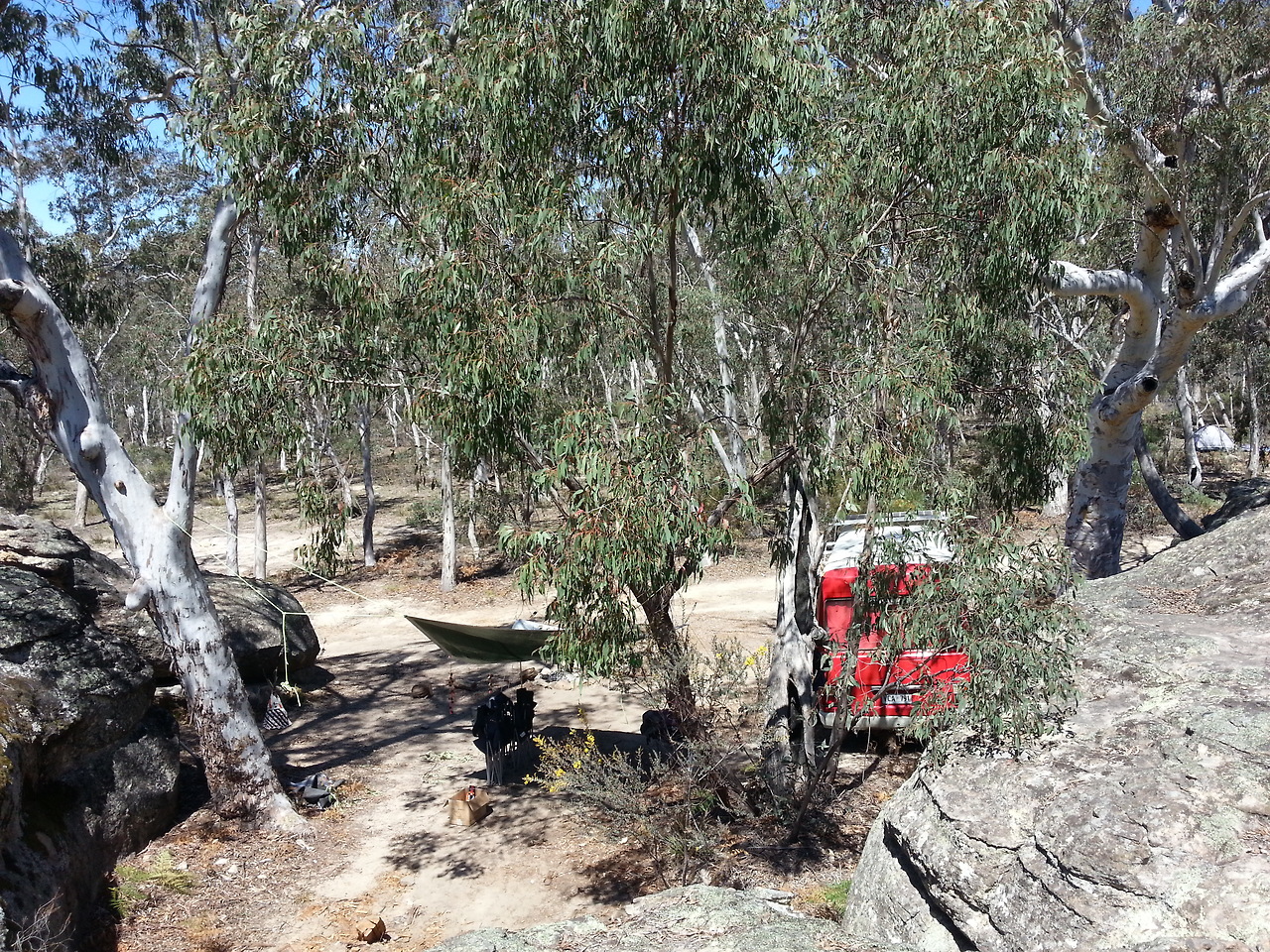
I’ve been living in homeJames, my bus, for nearly two years now. Before that I was couchsurfing for around 18months and before that, well let’s just say that I went to eight primary schools and two secondary schools. The longest I’ve lived in one house was eight years, and I only managed that thanks to spending at least three months a year on international travel over that time. Nomadicy was a way of life for me before I even knew it was a thing. Only now, I’m doing it properly.
The original nomads were everywhere, whether travelling merchants or minstrels, religious pilgrims or migrant tribes moving between sites for hunting or agricultural seasons. These people were multicultural by lifestyle, open to exploration and discovery. They were our first long-distance knowledge networks, taking stories, culture and produce from one settlement to the next; the original ‘internet of things’, if you will. These nomads connected communities across vast geographic distances, cared for and educated about the land and introduced an awareness of a broader society than ones own geographic locality.
Gradually, over time, things changed. Settlements turned in to domains (‘enclosures‘ or privatised areas), where the powers-that-be gave land rights to peers of the realm who exchanged protection for taxes (typically in the form of livestock or farmed produce). This was done, of course, without first consulting those who had already built homes, families and had cultivated what had, up until then, been barren Common Land. The Commons (something we see little of in contemporary society) meant anyone could use the land or rivers in any way, providing their use didn’t restrict anyone else from having the same right. Makes sense, huh?
Fast-forward to 2014 and Nomadicy seems to be on the increase again. Contemporary nomads are surprisingly diverse, not just ‘Carnies’ or the shamefully persecuted Romany communities. Collectively we consist of increasing older-age populations (aka ‘grey nomads’), serial tourists (backpackers and the more lavish destination-hoppers), regular conference/festivallers (‘knowmads’), climate refugees (something many of us might soon become ourselves) or just old hippies (like me) trying to get off-grid and remove ourselves from a sociopolitical system we can no longer accept. For some it’s a luxury lifestyle choice perceived as living the dream. For me it’s an act of protest, an chance to explore and connect with people and place across Australia, and an opportunity to reinvent my own creative practice.
Last year I spent two weeks turning an empty block of land into a temporary Nomadic Village with a bunch of artists who all had some kind of mobility as a creative focus. I didn’t expect to be the only 100% Nomad there, but since they all had somewhere else to call home, I was. Here at TPS I was convinced I’d be the only nomad, but I was wrong. Fellow-TPS-meanderer Greg Pritchard lives out of his car as he drives around regional NSW largely due to his role with Regional Arts Australia. My bus is considerably more comfortable, but even he gets to call in to his mum’s place to do a load of washing as we pass through Canberra. My equivalent, travelling back to North Wales, would be one expensive laundrette.
It’s the night before our last day after almost three (delicious) weeks and I’m taking a quiet reflective moment in the bus, watching the hot day’s sun set while awaiting a rare, decadent, pizza delivery. Typically with residencies or labs you’re expected to produce ‘outcome’, but the real result of these experiences isn’t immediate, and Performance Space has not made this demand of us. But of course with 30 artists, we’ve ended up with a mini festival regardless. It’ll be fascinating to see what Narrandera’s locals make of us.
This Time_Place_Space is a reincarnation of a previous series from several years ago with the Nomadic thrust being a new direction (fortunately for me!). Every time I’ve spoken with previous participants their eyes do that dreamy-gaze thing; the depth and duration of meaning, still active from their experience, is visceral. The name of the program is no mistake; they talk about the privilege of being given time, place and space to just be, to learn, reflect, share and grow, without pressure or fear of looking or feeling silly when they explore realms outside of their normal comfort zone. I was hoping to develop a similar glaze from my own time here. I wasn’t wrong.
I came with a single project in mind that I wanted to develop having started it at Nomadic Village, but I’ll tell you more about that another time. Suffice to say, I am looking to tomorrow knowing not only that it has taken new shape, but that I have. I’ve shared buslife in one of the most idyllic locations I’ve ever visited in this country with some of the most astonishingly genuine, passionate, inventive, generous and funny individuals I’ve had the pleasure to meet. I’ve eaten the best camp food ever – including roadkill in a found food feast! And I’ve learned new things about place, people, culture and, above all, myself. Who says art can’t be transformative?
Kudos to everyone who put this thing together, from TPS v.1 to all the producers, facilitators and artists who have made this, this. And extra special hugs to Sophie who had to leave us a little too early.
—
This post was originally written for the Time_Place_Space:Nomad tumblr blog. Go check it out, there are heaps of amazing threads there.
Time_Place_Space: Nomad is a national travelling laboratory that aims to challenge, invigorate and strengthen interdisciplinary and experimental arts practice in Australia, with an emphasis on collaborative performance making, site-specificity and artistic resilience. Time_Place_Space is a co-production between Performance Space and ArtsHouse Melbourne.